How to Build a Lucki Type Beat That Also Works for Veeze
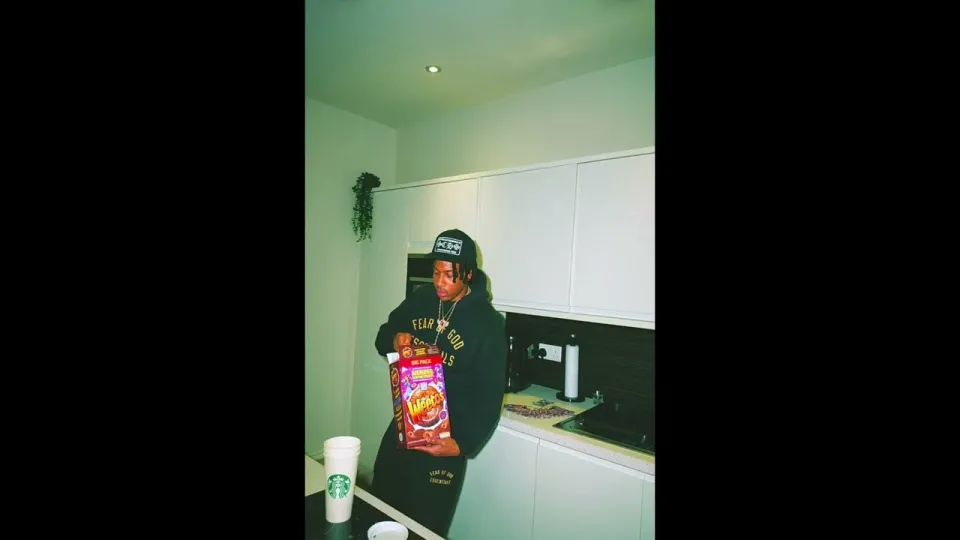
Video: LUCKI TYPE BEAT X VEEZE TYPE BEAT - "MANIFEST"
· based on the channel Bayro
A Lucki type beat is a dark, melodic trap instrumental built around woozy loops, sparse drums and a half-time feel that leaves room for slurred, introspective vocals — and the same template can carry a Veeze-style Detroit flow. Producer Bayro's "Manifest" demonstrates the formula directly: it is published as a LUCKI type beat x Veeze type beat at 152 BPM, and you can purchase the beat and its license on BeatStars if you want to use it commercially.
What defines a Lucki type beat
A Lucki type beat prioritizes atmosphere over density: the loop does the emotional work, and the drums stay out of the vocal's way. LUCKI's catalog, from the early Chicago tapes through his later full-length projects, leans on detuned keys, filtered soul and R&B chops, soft pads and reverb-heavy textures that sound slightly out of focus. Tempos usually land between roughly 130 and 160 BPM, but the programmed drums are written to feel slower than the click — the listener hears a half-time groove while the hi-hats run in double time.
Key traits that make a beat read as "Lucki type":
- A loop with a small, memorable melodic motif rather than a busy progression.
- Minor-key harmony, often just two or four chords, with heavy low-pass filtering or tape saturation.
- 808s that glide between notes instead of punching hard on every beat.
- Snare or clap on the third beat of the bar, creating the dragged half-time pocket.
- Empty space — sections where the drums drop and only the loop and ad-libs remain.
How Veeze changes the same instrumental
A Veeze type beat keeps the dark, melodic surface of a Lucki instrumental but tightens the rhythm and pushes the low end forward. Veeze's Detroit delivery is conversational and rhythmically precise, so the beat needs a clear pocket: crisp hats, a snare that answers the vocal, and 808 patterns that leave gaps for punchlines. Detroit production in this lane often borrows from Bayro's tag list too — Sdot Go and Rob49-type energy sits nearby, with harder drums and more aggressive bass slides.
When a beat is marketed as a LUCKI x Veeze type beat, the goal is a middle ground: melodic enough for slurred, melancholy hooks, but with enough bounce and low-end movement that a punchline rapper can ride it without the instrumental swallowing the words. "Manifest" is labeled exactly that way, which makes it a practical reference point for the crossover.
Building the beat step by step at 152 BPM
Start with tempo and grid, then write the melody, then the drums, then the mix — in that order, because the loop decides how much room the drums have. Bayro's "Manifest" is set at 152 BPM, a useful anchor: at that tempo, eighth-note hats feel relaxed, sixteenth-note rolls feel fast, and the backbeat can sit on the three for a half-time read.
- Set the project to 152 BPM and choose a minor key. Two- and four-chord loops in natural minor or harmonic minor give the wistful, slightly sour tone both artists favor.
- Build the melodic loop from a sampled or synthesized source — electric piano, filtered guitar, a pitched vocal chop — and process it with low-pass filtering, chorus and light saturation so it sounds like it is playing through a wall.
- Program the 808 next. Write gliding notes that follow the root movement of the loop, with slides on the transitions and short rests where the vocal would land.
- Add drums: kick on the one and around the three, clap or snare on the three, closed hats in eighths with occasional sixteenth rolls and open-hat accents at the end of bars.
- Arrange in sections — intro loop, drums in, drop the drums for eight bars, return with fuller percussion — so a rapper has clear entry points.
- Mix with the vocal in mind: carve space around 200–500 Hz for the 808, keep the loop mid-focused, and leave the top end clear for hats and vocals.
Sound design and texture choices that sell the style
Texture is what separates a convincing Lucki type beat from a generic trap loop. Reach for degraded sources: cassette-style saturation, vinyl noise, bit-crushed keys, pitch-bent pads and reversed one-shots. Detuning the main loop by a few cents adds the woozy quality that makes melodic vocals sit naturally. On the Veeze side, keep the low end clean and mono below roughly 120 Hz so the 808 translates on phone speakers, and use short, dry claps rather than long, washy snares.
A practical check: play the loop alone and ask whether it sounds interesting without drums. If it does, the beat will survive a verse where the drums drop out — a common move in both artists' catalogs.
Using "Manifest" and licensing it correctly
Bayro's "Manifest" is free for non-profit use only, and the credit must appear in the title as [prod. Bayro]. That means practice tracks, SoundCloud demos and non-monetized uploads are covered under the free terms, but anything earning money — streaming releases, monetized videos, paid placements — needs a license. Licenses are sold through the BeatStars store, and the producer runs a buy 2 get 1 free offer on the catalog.
If you are writing to the beat, treat 152 BPM as the working tempo and count the groove as half-time: a 16-bar verse will feel spacious rather than rushed. Save a copy of the project at the same tempo so your vocal session and the instrumental stay aligned.
Useful links
- Buy the "Manifest" beat and license
- Bayro's full BeatStars catalog
- Bayro on Instagram
- Bayro's Telegram group
Final thoughts on the Lucki x Veeze crossover
A Lucki type beat works when the melody carries the emotion and the drums stay patient, and a Veeze type beat works when the pocket is tight enough for precise, conversational rapping; "Manifest" targets both at once at 152 BPM. Use it as a reference for tempo, arrangement and low-end discipline, then apply the same rules to your own loops. When you are ready to release something built on the instrumental, grab the license on BeatStars and keep the [prod. Bayro] credit in the title for non-profit uploads. This breakdown was put together with reference to Bayro's channel, where the full beat and purchase details are published.
Key takeaways
- "Manifest" by Bayro is tagged as a LUCKI x Veeze type beat at 152 BPM.
- The beat is free for non-profit use only, with credit in the title as [prod. Bayro].
- A commercial license is sold through BeatStars, with a buy 2 get 1 free offer.
- LUCKI's Chicago melodic style and Veeze's Detroit flow share a taste for dark, sparse, wavy beats.
- 152 BPM sits in the pocket where double-time hats read as trap but the groove still feels half-time.
Questions & answers
What BPM should a Lucki type beat be?
Most Lucki type beats sit between roughly 130 and 160 BPM, with drums written to feel half-time. Bayro's "Manifest" uses 152 BPM, which keeps sixteenth-note hats fast while the backbeat stays relaxed.
Can the same beat work for both LUCKI and Veeze?
Yes. Both styles favor dark, melodic loops and sparse arrangements; the difference is that a Veeze-style vocal needs a tighter pocket and clearer low end. Beats marketed as LUCKI x Veeze type beats balance melody with bounce.
Is the "Manifest" beat free to use?
It is free for non-profit use only, provided you credit the producer in the title as [prod. Bayro]. Any monetized or commercial release requires a paid license from the BeatStars store.
What should I change first when adapting a Lucki beat for a Detroit flow?
Start with the drums and 808: tighten the hat patterns, shorten the clap, and give the bass more defined slides with rests between notes. Keep the melodic loop filtered and spacious so the vocal remains the focus.
Source: LUCKI TYPE BEAT X VEEZE TYPE BEAT - "MANIFEST" · Markdown version